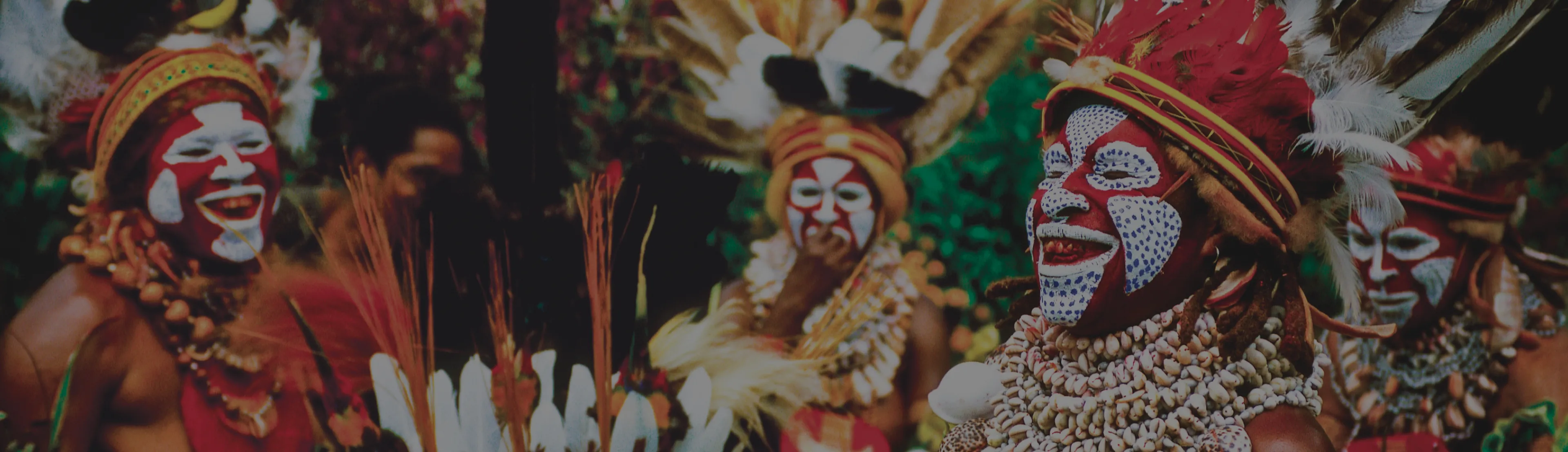
Papua New Guinea: A Tapestry of Untouched Wonders and Untapped Potential
Imagine a land where biodiversity reigns supreme, where ancient cultures thrive amidst landscapes largely unscarred by human development, and where every turn reveals a vista of breathtaking, untamed beauty. This is Papua New Guinea (PNG), a jewel of the South Pacific that stands as one of Earth's last true wildernesses. Often overlooked, or misunderstood, PNG is in essence the ultimate
pristine tourist hotspot, not yet fully realized, but brimming with the kind of raw, unadulterated charm that modern travelers increasingly seek.
Geographically, PNG is nothing short of spectacular. It's an island nation adorned with an incredible array of tropical landscapes. Think sun-drenched, pristine beaches fringed by vibrant coral reefs teeming with marine life, towering volcanic highlands shrouded in mist, vast archipelagos of remote islands, and expansive, low-lying rainforests – most of which remain untouched by human hands. This mosaic of ecosystems contributes to its staggering ecological significance. Indeed, PNG has been identified as the most floristically diverse island in the world, a living laboratory where scientists believe countless species of plants and animals still await documentation. Adding to its allure, the absence of large predatory animals means visitors can explore its jungles with a unique sense of wonder, making every trek an immersion into a genuinely primeval world. For those yearning for an authentic connection with nature, PNG offers an unparalleled opportunity to discover the beating heart of our planet's wild side.
The Paradox of Pristine: Navigating PNG's Unique Challenges
While PNG's pristine nature is its greatest asset, it's also intrinsically linked to the significant challenges that have historically limited its accessibility as a conventional tourist destination. The country's rugged terrain and sparse infrastructure mean that internal travel is often an adventure in itself. With very few paved roads and no national rail system, reaching many of its most captivating regions requires small aircraft flights, making "fly-in" the primary mode of transportation between populated areas. This isolation, while preserving its natural state, also makes governance incredibly complex in a nation comprising hundreds, if not thousands, of distinct tribal groups, some of whom still contend with inter-group conflicts.
Furthermore, basic amenities that tourists often expect are not widespread. It's estimated that only 20% of the population has consistent access to clean water, a stark reminder of the development hurdles faced. Safety and security are also critical considerations; existing tourist resorts have, at times, faced threats of robbery and violent crime. These factors present a paradox: the very remoteness and lack of development that preserve PNG's incredible biodiversity also pose substantial barriers to mass tourism. Yet, for the intrepid traveler, these challenges become part of the authentic, often transformative, experience of exploring a truly wild frontier. They underscore the necessity for tourism development to be deeply thoughtful, responsible, and sustainable, ensuring that any growth empowers local communities and protects the environment, rather than eroding it.
Envisioning a Sustainable Future: Eco-Luxury in Earth's Last Frontier
Despite the inherent difficulties, the vision of Papua New Guinea as a thriving
pristine tourist hotspot is not merely a dream, but a tangible possibility through a model of responsible, high-value, low-impact eco-tourism. Drawing inspiration from successful initiatives in other remote locales, such as the innovative approach seen at
Pristine Camps Salinas Grandes: Sustainable Luxury in a Desert Oasis, PNG could cultivate a tourism sector that truly respects its unique environment and vibrant cultures.
Imagine luxurious, yet minimal-footprint eco-lodges or "glamping" domes nestled discreetly within rainforest clearings or along remote coastlines. These would offer guests unparalleled comfort – perhaps with elegant curved windows presenting panoramic views, state-of-the-art amenities, and personalized touches like stocked mini-fridges and private fireplaces – while ensuring minimal environmental disturbance. The emphasis would be on creating bespoke experiences, where expert local guides, revered for their deep knowledge of the land and its traditions, lead intimate groups on journeys of discovery. This model, which prioritizes personalized service and deep cultural immersion, transforms a mere trip into a profound, once-in-a-lifetime adventure.
Crucially, such initiatives must adopt a "triple impact" model, focusing on positive outcomes for local community development, environmental protection, and economic benefit. This means partnering directly with indigenous communities, ensuring they are collaborative stakeholders in the business and have a significant say in how tourism impacts their ancestral lands and way of life. By building accommodations in areas not traditionally utilized for their vital resources (like the example of building on non-harvestable salt flats), and ensuring structures are easily removable, the footprint is kept minimal. This approach not only provides sustainable economic opportunities for local populations – from employment as guides and hospitality staff to the sale of traditional crafts – but also fosters a shared commitment to protecting the very ecosystems that draw visitors. It's about empowering communities to be custodians of their heritage, showcasing its untamed beauty to the world while preserving it for generations to come.
Navigating the Untamed: Practical Considerations for Aspiring Adventurers
For those captivated by the allure of Papua New Guinea's untamed beauty, embarking on a journey here requires careful planning and a spirit of adventure. This isn't a destination for impromptu travel; rather, it calls for a well-researched and respectfully organized expedition.
1.
Choose Specialized Tour Operators: The most practical and safest way to experience PNG is through reputable, specialized tour operators who have extensive experience in the region. These companies often have established relationships with local communities, understand the logistical complexities, and prioritize traveler safety and responsible tourism practices.
2.
Embrace Air Travel: Be prepared for frequent internal flights. These small plane journeys offer spectacular aerial views of the diverse landscapes but require flexibility, as schedules can be subject to weather conditions.
3.
Cultural Sensitivity is Key: PNG is home to incredible cultural diversity. Travelers should approach interactions with an open mind and deep respect for local customs, traditions, and tribal protocols. Learning a few basic phrases in Tok Pisin (the lingua franca) can go a long way.
4.
Prioritize Safety: Stay informed about local conditions and adhere strictly to the advice of your tour operator and local guides. Many areas are safe for tourists, especially when traveling with organized groups, but vigilance is always recommended.
5.
Prepare for Basic Conditions (outside resorts): While luxury eco-lodges can offer high comfort, excursions into more remote areas might involve basic amenities. Pack accordingly, including essentials like water purification tablets, sun protection, and insect repellent.
6.
Support Local Economies: Engage with local communities by purchasing handicrafts, participating in cultural performances, and utilizing local services where appropriate. This directly contributes to the well-being of the people who call this extraordinary place home.
PNG epitomizes the "untamed beauty" that defines many
Untamed Beauty: Exploring the Allure of Pristine Global Tourist Hotspots. It offers a profound opportunity to disconnect from the modern world and reconnect with nature in its purest form, promising an experience that transcends typical tourism.
Conclusion: A Future Forged in Respect and Sustainability
Papua New Guinea, with its unparalleled biodiversity, stunning landscapes, and rich tapestry of cultures, holds immense promise as the world's next great
pristine tourist hotspot. It presents a rare chance to engage with a truly untouched wilderness. However, realizing this potential demands a future forged in respect and sustainability. By embracing low-impact, high-value eco-tourism models, fostering genuine partnerships with local indigenous communities, and prioritizing environmental protection, PNG can unlock its wonders for a select group of discerning travelers. This approach not only offers unique, transformative experiences but also ensures that Earth's last frontier remains pristine, benefiting both its people and its unparalleled ecosystems for generations to come.